

Introduction
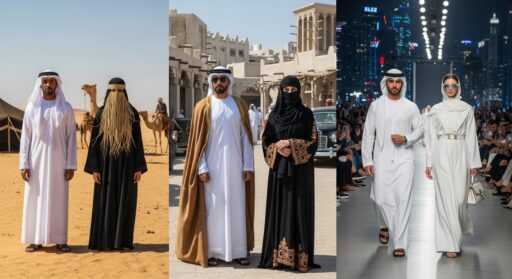
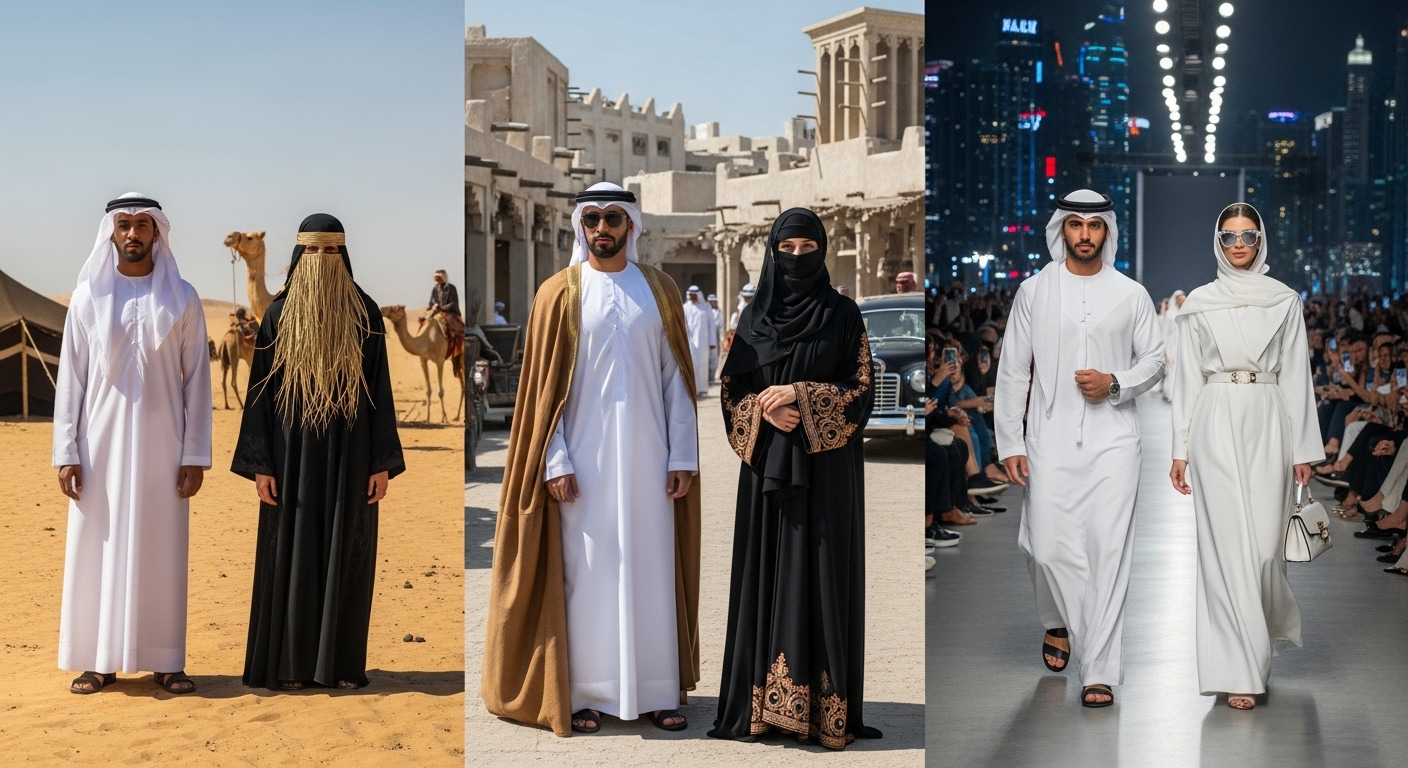
The flowing white Kandura and elegant black Abaya are more than mere garments in the United Arab Emirates; they are potent symbols of national identity, seamlessly bridging a profound heritage with a dynamic future. These iconic outfits tell a story of cultural resilience, adaptation, and pride. Their evolution from practical desert attire to fixtures on the global fashion stage perfectly mirrors the UAE’s own journey from a pastoral society to a modern influential nation.
History
The origins of Emirati national dress are deeply rooted in the environmental and social conditions of the Arabian Peninsula. Prior to the oil era, life was shaped by the desert and the sea. The Kandura and Abaya were products of this environment. Early versions were crafted from simple, readily available materials like sheep’s wool and cotton, providing protection from the extreme sun, wind, and sand. The designs were not about fashion but survival and modesty, reflecting the Islamic and tribal values of the region. The attire was standardized across the tribes of the Trucial States, creating a unified sartorial identity long before political union was achieved.
Key Features
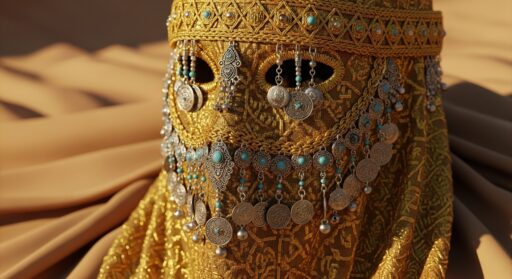
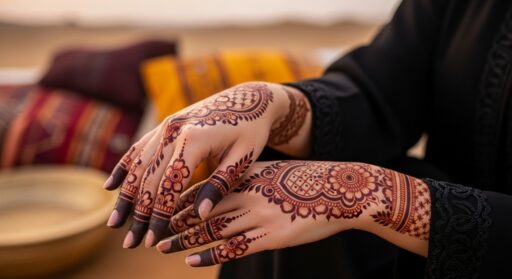
The men’s Kandura (or Dishdasha) is a study in functional design. Its white color reflects the sun’s heat, while its loose, ankle-length fit promotes essential air circulation. The ensemble includes the Ghutra (a headscarf, typically white or red-checkered) secured by the Agal (a black double-cord), which historically served as a camel tether. For women, the Abaya is a full-length cloak. While traditionally a plain black garment made of crepe or georgette, its key feature is its versatility as a canvas for modesty. Both outfits are completed with careful attention to detail, such as the tailored cut of the Kandura and the subtle embroidery (Talli) that may adorn the cuffs and front of an Abaya.
Cultural Significance
These garments are deeply embedded in the social and cultural fabric. They are a visual language communicating respect, dignity, and religious adherence. Wearing national dress is a powerful statement of belonging and cultural pride, especially in a country with a large expatriate population. The Kandura and Abaya erase tribal and economic distinctions, fostering a sense of equality and shared identity among Emiratis. The act of wearing them, particularly on national occasions, is an affirmation of one’s place within the collective story of the UAE.
Modern Relevance
Today, Emirati national dress is far from static. It has dynamically entered the world of contemporary fashion. Emirati designers are now reinterpreting the Abaya, incorporating bold colors, intricate embroidery, luxury fabrics, and modern silhouettes, transforming it into a high-fashion statement. Similarly, the Kandura is experiencing innovation with new cuts, fabrics, and designer details. This evolution demonstrates a confident cultural identity that can both honor its roots and engage with global trends, ensuring the garments remain relevant and cherished by the youth.
Conclusion
The Emirati Kandura and Abaya are enduring testaments to a culture that deeply values its history while confidently embracing the future. They have successfully transitioned from being essential articles of survival to becoming celebrated symbols of a modern national brand. Their continued evolution on both local and global stages proves that tradition is not a constraint but a source of inspiration, ensuring that these iconic garments will remain central to Emirati identity for generations to come.